

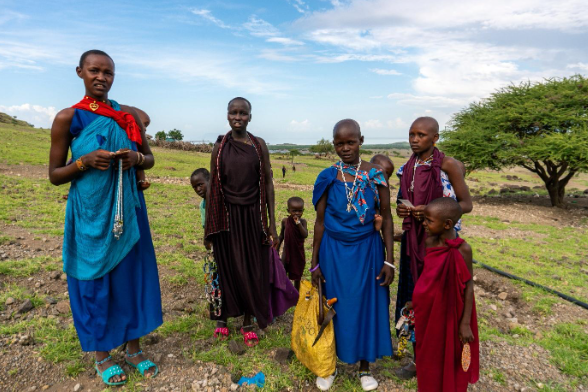
The sun sets over the wide plains of Tanzania. The sky turns to gold. Here, the true spirit of a Safari in Tanzania is not only seen, but it’s also told. Under a large, shady tree, Maasai elders begin to tell stories about land, the animals, and their people.
When planning a Tanzania Safari, you shouldn’t focus only on animals. Experience Tanzania through the eyes and stories of its indigenous guardians. These Cultural safari experiences in Tanzania offer deep local access. This deep connection changes your whole journey. It’s like seeing the country through the eyes of its protectors.
Maasai Heritage: A Living Tradition.
The Maasai people are a truly famous part of the land. An Indigenous communities Tanzania safari is a must for travelers. You can understand the ancient customs that honor the wild and their proud heritage in daily life everywhere.
They wear bright red cloths, which locals call shukas. These clothes resemble the earth and the evening sun. Their language, Maa, holds the very sounds of this place.
For many centuries, the Maasai shared this land with big predators. They wove their own lives into the land’s natural rhythm. Their society is carefully structured around age-sets and duties. Understanding this structure helps you see their perspective more clearly. Their historic way of life needed constant movement. They had to follow good water and fresh grazing land at all times.
Therefore, they know distances and animal paths deeply. They’re masters of reading the landscape instinctively. Moreover, this strong link built the base for the Maasai culture Tanzania safari. When you engage well, you see their continued life is a strong act of conservation. This explains much about the real Maasai people and current conservation efforts.
Rituals Connecting People and Nature.
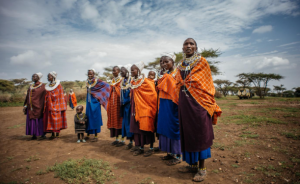
A Tanzania Safari can allow you to witness Maasai ceremonies that celebrate survival and respect. The Maasai life moves forward marked by important rites of passage. These events are crucial social markers for everyone. They reaffirm their strong need for nature and community support. These ceremonies keep everyone connected.
A key event is the journey to becoming a warrior. This historically required great personal courage and sharp discipline. These are skills needed to live safely near lions. These rituals constantly teach the young people the importance of honoring the natural world. The community survives better when it respects nature faithfully.
For example, many rites take place near sacred trees or vital water sources, demonstrating a deep spiritual connection to the land itself. These acts ensure that new generations learn respect through action, song, and communal feeling. This deep bond means the Maasai naturally become stewards of the ground they walk upon.
The Maasai and Wildlife: Coexistence Stories.
The most important lesson from the Maasai is that living near large wildlife is important. In the past, this often led to conflicts over resources such as grass. But from tough times came great wisdom for survival.
Now, many Maasai groups actively work to guard the parks they call home. Their deep insight into animal pathfinding is invaluable to modern conservation plans. They can often guess where a migrating herd will go next. They notice small signs that human trackers might easily miss.
Furthermore, many former warriors now join the park staff. They work as rangers or skilled guides. This shows a major shift in thinking. They see that wildlife, while sometimes challenging, is also a great economic asset through tourism. This partnership is vital for the future of Tanzania Destinations.
Craftsmanship and Storytelling.
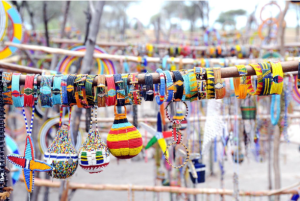
Explore Maasai art reflecting their culture and environment. The Maasai share their long history through storytelling. Their intricate beadwork speaks volumes when you look closely. This art is not just a pretty decoration; it’s a meaningful code worn every day. Every color and every shape has a specific message tied to rank or life stage.
For instance, certain patterns might represent the sky or the color of blood shed in defending livestock. If you look at a woman’s beaded collar, you are seeing a powerful visual timeline. Also, the long, careful work of stringing small beads mimics the patience needed for a life spent herding cattle. This detail-focused work builds great community strength.
Storytelling remains an important way to pass down culture. Without many written records, the people rely on oral tales for lessons. These stories teach morality, personal bravery, and how people relate to the wilderness. You’ll hear tales about smart escapes or successful hunts. These stories teach respect along the way, which is needed for survival. These insights greatly enrich your Tanzania Safaris.
The depth of the experience comes from more than just animals; travelers witness this. As Penny B from Florida noted on TripAdvisor:” I was hesitant to visit Maasai, but I can tell you that they were extremely welcoming and excited to invite us into their village. I would recommend stopping in to learn how they are living with the land.”
Responsible Cultural Tourism
If we wish to hear these wonderful stories, we must ensure our visit does good. Being a responsible traveler is essential when you join cultural safari experiences in Tanzania. Choose tour leaders, such as Bestday Safaris, who promise fair treatment of local people.
Ethical meetings mean treating a village visit as a real sharing of culture. Please respect their privacy while you are there. Always ask permission before you take someone’s picture, especially a child’s picture. Also, consider the financial side. When you purchase any craft, pay a fair price that truly helps the artist. Understanding simple rules about Tipping In Tanzania also shows you honor the effort put in by the hosts.
When you select a tour built on these fair rules, you’re actively backing up their way of life. This careful investment means the stories you receive are honest. It also means that the value of your Tanzania Safari Cost benefits the local community. Good Tanzania Travel Guides will make sure the Maasai hosts lead the visit themselves. This gives them control over what they share and how they benefit.
Additionally, when budgeting for your Tanzania Safari Cost, note that some fees support these local teams. Building shared gain is key to long-term park health.
Book cultural immersion experiences led by Maasai hosts.
The Vital Role of Maasai Guardianship.
The strong connection between the Maasai people and the wildlife of Tanzania’s safari is clear and enduring. Their old ways of living alongside the big animals have helped keep huge areas wild. This ensures that animals such as lions and elephants can still thrive today. Their deep knowledge means they hold answers for today’s biggest environmental puzzles.
We must see them as active partners in safeguarding this amazing heritage across Tanzania’s Destinations. Thus, supporting real Maasai people and conservation through responsible travel is the best way to visit. They’re guarding the land’s most ancient secrets.
The lessons learned around that campfire will stay with you always. You learn about balance, deep respect, and honoring a tough but beautiful land. By choosing mindful engagement, you honor their past. You help ensure their voices guide the future success of Tanzania’s amazing wilderness. Seek out that honest chance to adventure.
Support authentic cultural tours and contribute to community empowerment
