

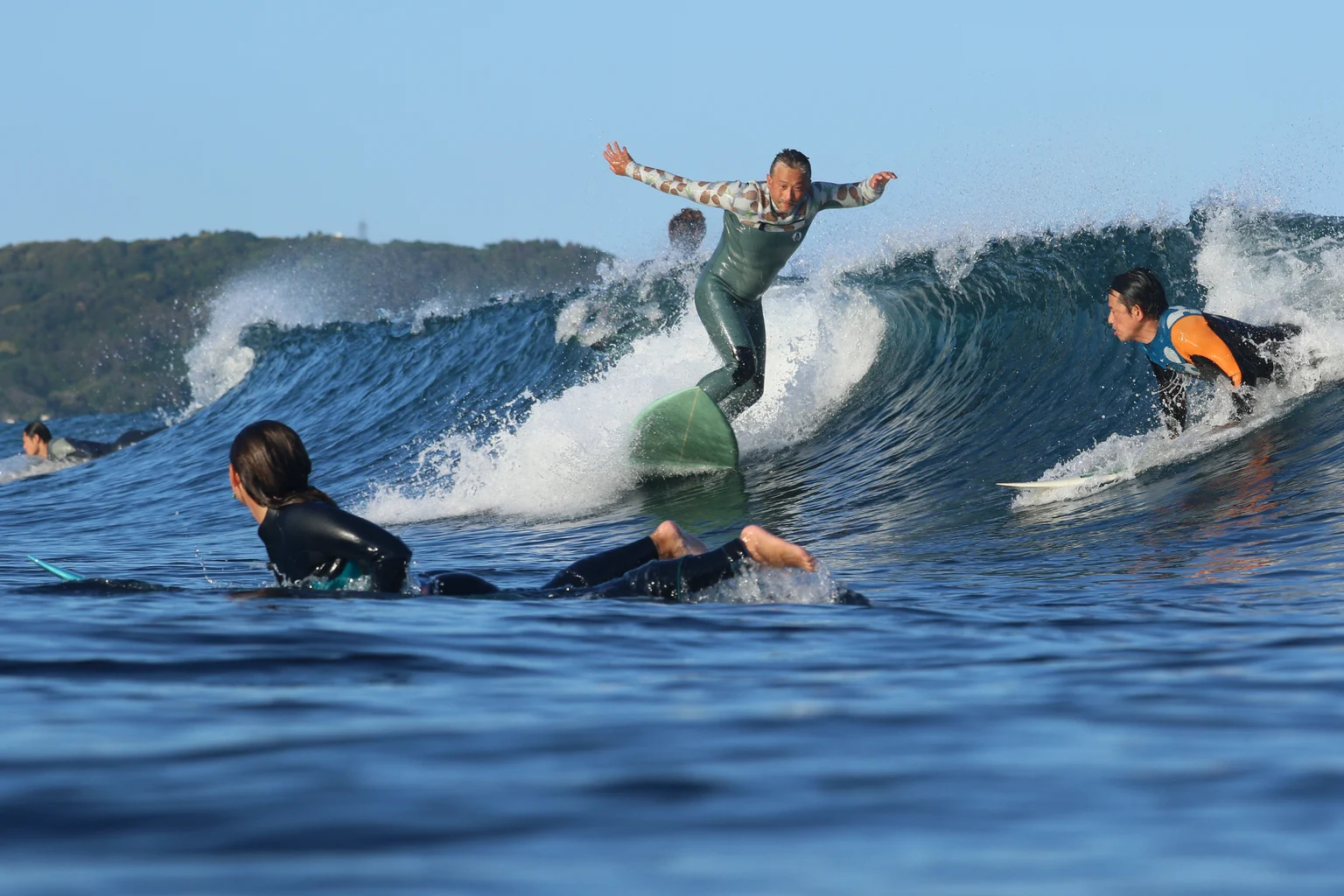
Surfing is a popular water sport enjoyed by many people around the world. Japan, with its long coastline and numerous beaches, has a thriving surfing culture. However, there are many Japanese surfers who are interested in exploring the waves beyond their country’s shores. For those seeking a new surfing adventure, there are many exciting destinations outside Japan that offer great waves and unique experiences.
Surfing trips for Japanese outside Japan (サーフ トリップ 海外) can be a great way to explore new cultures and meet new people while enjoying the thrill of riding the waves. There are many top surfing destinations around the world that offer a variety of waves suitable for surfers of all levels. From the tropical waters of Hawaii and Bali to the rugged coastlines of Australia and South Africa, there is no shortage of options for those seeking a surfing adventure.
When planning a surfing trip outside Japan, it is important to consider factors such as travel logistics, budget, health and safety precautions, and cultural differences. By doing so, surfers can ensure that their trip is enjoyable and memorable. Whether you are a seasoned pro or a beginner, a surfing trip outside Japan can be a great way to explore new horizons and experience the thrill of riding the waves in a new and exciting setting.
Key Takeaways
- There are many top surfing destinations outside Japan that offer great waves and unique experiences.
- Planning a surfing trip involves considerations such as travel logistics, budget, health and safety precautions, and cultural differences.
- Surfing trips outside Japan can be a great way to explore new cultures and meet new people while enjoying the thrill of riding the waves.
Understanding Surfing
Surfing is a water sport that involves riding waves using a surfboard. It originated in Hawaii and has since spread to many parts of the world, including Japan. To understand surfing, one must first understand the different components that make up the sport.
Surfboard
The surfboard is the most important piece of equipment in surfing. It is a long, narrow board made out of foam, fiberglass, and resin. The size and shape of the board depend on the surfer’s skill level, weight, and the type of waves they will be riding. Surfers can choose between longboards, shortboards, and funboards, each with their own unique characteristics.
Waves
Waves are the driving force behind surfing. They are formed by wind blowing over the surface of the ocean, creating ripples that eventually turn into waves. The size, shape, and power of waves can vary greatly depending on the weather conditions and location. Surfers use their knowledge of waves to determine the best time and place to surf.
Techniques
There are several techniques involved in surfing, including paddling, popping up, and riding the wave. Paddling involves using the arms to move the surfboard through the water. Popping up is the act of quickly standing up on the board once a wave is caught. Riding the wave involves maneuvering the board to stay on the wave’s face and performing turns and tricks.
Safety
Surfing can be a dangerous sport if proper safety precautions are not taken. Surfers should always wear a leash to keep them connected to their board and a wetsuit to protect them from the cold water. They should also be aware of their surroundings and the potential hazards of the ocean, such as rip currents and rocks.
Overall, surfing is an exciting and challenging sport that requires skill, knowledge, and respect for the ocean. With the right equipment and training, anyone can enjoy the thrill of riding waves.
Top Surfing Destinations Outside Japan
For Japanese surfers looking for an adventure, there are plenty of world-class surfing destinations outside of Japan. Here are some of the top surfing spots (サーフィン スポット) to consider:
Bali, Indonesia
Bali is a popular destination for surfers of all levels, with consistent waves and warm water year-round. The island offers a variety of breaks, from beginner-friendly spots to more challenging breaks for experienced surfers. Some of the most popular spots include Kuta Beach, Uluwatu, and Padang Padang.
Gold Coast, Australia
The Gold Coast is home to some of the best surf breaks in Australia, with world-renowned breaks like Snapper Rocks and Kirra Beach. The area is known for its consistent waves and warm weather, making it a popular destination for surfers from around the world.
Santa Teresa, Costa Rica
Santa Teresa is a hidden gem for surfers looking for a more laid-back vibe. The area boasts consistent waves and warm water, as well as a variety of breaks for surfers of all levels. Some of the most popular spots include Playa Carmen and Playa Santa Teresa.
Hawaii, United States
Hawaii is known as the birthplace of surfing, and for good reason. The islands offer some of the best waves in the world, with breaks like Pipeline and Waimea Bay attracting surfers from around the globe. While the waves can be challenging, there are also plenty of beginner-friendly spots for those just starting out.
Hossegor, France
Hossegor is a popular destination for surfers in Europe, with consistent waves and a vibrant surf culture. The area is known for its powerful beach breaks, with spots like La Graviere and Les Estagnots attracting surfers from around the world.
Overall, there are plenty of amazing surfing destinations outside of Japan for surfers looking for an adventure. Whether you’re a beginner or an experienced surfer, there’s something for everyone in these top surfing spots.
Planning Your Surfing Trip
Planning a surfing trip can be exciting, but it requires some careful consideration to ensure a successful and enjoyable experience. Here are a few tips to help you plan your surfing trip outside Japan:
Choose Your Destination Wisely
When planning your surfing trip, it’s essential to choose your destination wisely. Consider factors such as the time of year, the size and quality of the waves, and the local surfing culture. Some popular surfing destinations for Japanese surfers include Hawaii, Bali, Australia, and California.
Research Accommodations and Transportation
Once you’ve chosen your destination, it’s time to research accommodations and transportation. Look for surf camps or hotels that cater to surfers and offer amenities such as surfboard rentals, surf lessons, and transportation to nearby surf spots. Consider renting a car or hiring a driver to make it easier to get around and explore the area.
Pack the Right Gear
Make sure to pack the right gear for your surfing trip. This includes surfboards, wetsuits, leashes, wax, and sunscreen. Check the airline’s baggage policy and fees for transporting surfboards and pack your gear carefully to avoid damage during transit.
Check Weather and Surf Reports
Before you leave for your trip, check the weather and surf reports for your destination. This will help you determine the best time to surf and which surf spots are likely to have the best waves. You can also download surf forecasting apps to stay up-to-date on wave conditions during your trip.
Respect Local Surfing Culture
Finally, it’s essential to respect the local surfing culture and etiquette. Learn about the local surf spots, rules, and customs before you go. Be respectful of other surfers in the water and follow the local surfers’ lead when it comes to wave priority and sharing. By respecting the local culture, you’ll have a more enjoyable and rewarding surfing experience.
Essential Surfing Gear
Surfing is an exhilarating sport that requires some essential gear to ensure a safe and enjoyable experience. Here are some of the must-have items for any surfing trip:
Surfboard
The most important piece of gear for any surfer is the surfboard. When choosing a surfboard, it’s important to consider the size, shape, and material. Beginners should opt for a larger board with a soft top to make it easier to catch waves and avoid injuries. Advanced surfers may prefer a smaller, more maneuverable board made of fiberglass or epoxy.
Wetsuit
A wetsuit is essential for surfing in colder water or during the winter months. It not only keeps you warm but also protects your skin from chafing and irritation. When choosing a wetsuit, consider the thickness, fit, and material. A thicker wetsuit is suitable for colder water, while a thinner one is ideal for warmer temperatures.
Leash
A leash is a safety device that attaches to your ankle and the surfboard to prevent it from getting lost in the waves. It’s important to choose a leash that’s the right length for your board and the type of waves you’ll be surfing.
Wax
Wax is applied to the surface of the surfboard to provide traction and prevent slipping. It’s important to choose the right type of wax for your board and the water temperature.
Sunscreen
Surfing involves spending a lot of time in the sun, so it’s crucial to protect your skin from harmful UV rays. Choose a waterproof sunscreen with a high SPF and apply it liberally before and during your surfing session.
By ensuring that you have all the essential gear, you can enjoy a safe and fun surfing trip.
Health and Safety Precautions
When planning a surfing trip outside of Japan, it is important to prioritize your health and safety. Here are a few precautions to keep in mind:
1. Research the location and conditions
Before heading out to surf, it’s important to research the location and conditions thoroughly. Make sure you understand the local weather patterns, water temperature, tide schedules, and any potential hazards like rocks or reefs. This will help you make informed decisions about when and where to surf.
2. Use proper equipment
Having the right equipment is crucial to staying safe while surfing. Make sure your board is appropriate for the conditions and your skill level, and that it’s in good condition. Wear a wetsuit if necessary to protect yourself from cold water or sunburn. Don’t forget to wear a leash to keep your board close and avoid collisions with other surfers.
3. Know your limits
It’s important to be honest with yourself about your skill level and physical abilities. Don’t attempt to surf in conditions that are beyond your abilities, and take breaks as needed to avoid exhaustion. If you’re feeling unwell or injured, don’t hesitate to seek medical attention.
4. Respect local customs and regulations
When surfing in a foreign country, it’s important to respect the local customs and regulations. Follow any rules or guidelines set by local authorities, and be mindful of other surfers and beach-goers. Don’t litter or damage the environment, and be respectful of local culture and traditions.
By following these health and safety precautions, you can enjoy a safe and rewarding surfing trip outside of Japan.
Choosing the Right Surfing School
When planning a surfing trip, choosing the right surfing school is crucial for a safe and enjoyable experience. Here are some factors to consider when selecting a school:
Location
Choose a school that is located in an area with consistent waves suitable for your skill level. Some schools may offer trips to different locations, so research the options and choose a school that aligns with your preferences.
Instructor Qualifications
Ensure that the instructors at the school are qualified and experienced. Look for schools that have instructors certified by reputable organizations such as the International Surfing Association (ISA) or the Academy of Surfing Instructors (ASI).
Equipment
Check if the school provides all necessary equipment, including surfboards, wetsuits, and safety gear. Some schools may charge extra for equipment rentals, so be sure to factor this into your budget.
Class Size
Consider the size of the class and the instructor-to-student ratio. Smaller class sizes allow for more personalized attention and instruction.
Reviews
Read reviews from previous students to get an idea of their experiences with the school. Look for schools with positive reviews and a good reputation.
Choosing the right surfing school can make all the difference in your surfing experience. By considering these factors, you can select a school that aligns with your needs and ensures a safe and enjoyable trip.
Travel Tips and Tricks
When planning a surfing trip outside of Japan, there are a few travel tips and tricks that can help make the experience smoother and more enjoyable. Here are some things to keep in mind:
- Research the Surf Spots: Before booking a trip, research the surf spots in the area to ensure they are suitable for your skill level. Some surf spots may be too advanced or dangerous for beginners, while others may be too gentle for experienced surfers. Websites like Surfline and Magicseaweed can provide detailed information on surf spots around the world.
- Pack Light: When traveling for a surfing trip, it’s important to pack light. Most airlines have weight restrictions on baggage, and bringing too much gear can result in additional fees. Consider renting or borrowing gear at your destination to save space and money.
- Bring the Right Gear: While it’s important to pack light, it’s also important to bring the right gear. Make sure to bring a wetsuit, surfboard, leash, wax, and any other necessary equipment. It’s also a good idea to bring a repair kit in case of any damage to your gear.
- Learn the Local Customs: When traveling to a new country, it’s important to learn the local customs and etiquette. This can help avoid any misunderstandings or cultural faux pas. Research the local customs and etiquette before your trip, and be respectful of the local culture.
- Stay Safe: Surfing can be a dangerous sport, especially in unfamiliar waters. Always surf with a buddy and never surf alone. Be aware of the local conditions, such as tides and currents, and always wear a leash. If you’re unsure about the conditions, ask a local or a lifeguard for advice.
By following these travel tips and tricks, surfers can have a safe and enjoyable experience when traveling outside of Japan.
Budgeting for Your Surfing Trip
When planning a surfing trip outside of Japan, it’s important to consider the costs involved. Here are some tips for budgeting your surfing trip:
Transportation
Transportation costs will likely be one of the biggest expenses of your trip. To save money, consider traveling during the off-season when flights and accommodations are cheaper. You can also save money by booking your flights and accommodations together as a package deal.
Accommodations
When choosing accommodations, consider staying in a hostel or renting a vacation rental instead of a hotel. These options are often cheaper and can provide a more authentic travel experience. Additionally, consider staying in a location that is close to the beach to save on transportation costs.
Surf Gear
If you plan to bring your own surf gear, make sure to factor in the cost of transporting it to your destination. If you don’t want to bring your own gear, consider renting it from a local surf shop instead of buying new gear. This can save you money and reduce the amount of gear you need to transport.
Food and Drink
Eating out can quickly add up, so consider cooking some of your own meals to save money. Look for local markets where you can buy fresh produce and other ingredients. Additionally, bring a reusable water bottle and refill it instead of buying bottled water.
By considering these budgeting tips, you can plan a surfing trip that is affordable and enjoyable.
Understanding Surfing Culture
Surfing is more than just a sport or a hobby, it’s a way of life. To truly appreciate and enjoy surfing, it’s important to understand the culture that surrounds it. Here are a few key aspects of surfing culture that Japanese travelers should keep in mind when planning a surfing trip outside of Japan:
- Respect the locals: Surfing communities around the world are tight-knit and often protective of their waves. It’s important to be respectful of the locals and their customs. This includes following any local rules or regulations, being mindful of the environment, and not overcrowding the waves.
- Embrace the lifestyle: Surfing culture is often associated with a laid-back, carefree lifestyle. Many surfers prioritize spending time in nature, staying active, and connecting with like-minded individuals. Embrace this lifestyle by taking time to appreciate the natural beauty of your destination, trying new activities, and making connections with other surfers.
- Know the history: Surfing has a rich history that dates back centuries. Take time to learn about the origins of surfing and the pioneers who helped shape the sport into what it is today. This can help deepen your appreciation for the culture and the sport itself.
- Stay safe: Surfing can be a dangerous sport, especially for beginners. It’s important to always prioritize safety by wearing appropriate gear, checking local conditions, and never surfing alone. Additionally, be aware of any cultural differences in safety practices at your destination and adjust accordingly.
By understanding and respecting surfing culture, Japanese travelers can fully immerse themselves in the sport and have a more enjoyable and authentic surfing experience.
Common Surfing Terms
For those new to the sport of surfing, the terminology used by experienced surfers can be confusing. Here are some common surfing terms to help you understand the language of the waves.
Break
The point where the wave begins to form and eventually break. The best surfing waves are typically found at areas with consistent and powerful breaks.
Barrel
A section of the wave where the surfer is completely enclosed by the curl of the wave. This is considered the most challenging and exciting part of surfing.
Swell
The series of waves that travel across the ocean and eventually break on the shore. The size and direction of the swell can greatly affect the quality of the waves for surfing.
Lineup
The area where surfers wait for waves, typically located just outside the break. It’s important to observe the lineup and take turns to avoid collisions with other surfers.
Point Break
A type of wave that breaks along a point of land or rock. Point breaks are known for their long and consistent waves, making them popular among surfers.
Beach Break
A type of wave that breaks over a sandy ocean floor. Beach breaks are popular among beginners due to their forgiving nature and easy access.
Wipeout
When a surfer falls off their board and gets tossed around by the wave. Wipeouts can be dangerous, so it’s important to always wear a leash and practice proper safety techniques.
Leash
A cord that attaches the surfer’s ankle to the surfboard, preventing the board from getting lost in the waves. It’s important to always wear a leash to avoid endangering other surfers in the water.
By understanding these common surfing terms, beginners can better navigate the waves and communicate with other surfers.
Conclusion
In summary, Japan may not be the first place that comes to mind when thinking of surfing destinations, but there are plenty of options for those looking to catch some waves. From the bustling city of Tokyo to the serene beaches of Okinawa, Japan has a diverse range of surf spots to suit all levels of experience.
For those looking for a unique cultural experience, surfing in Japan offers the opportunity to immerse oneself in the country’s rich history and traditions. Surfing can be combined with visits to ancient temples, hot springs, and traditional restaurants serving delicious Japanese cuisine.
While the language barrier may be a challenge for some, many surf schools and tour operators offer English-speaking guides and instructors. It is also worth noting that Japan’s safety record is excellent, making it a great option for solo travelers or families.
Overall, Japan is a great destination for surfers looking for something a little different. With its beautiful beaches, rich culture, and excellent safety record, it is definitely worth considering for your next surfing trip.
