


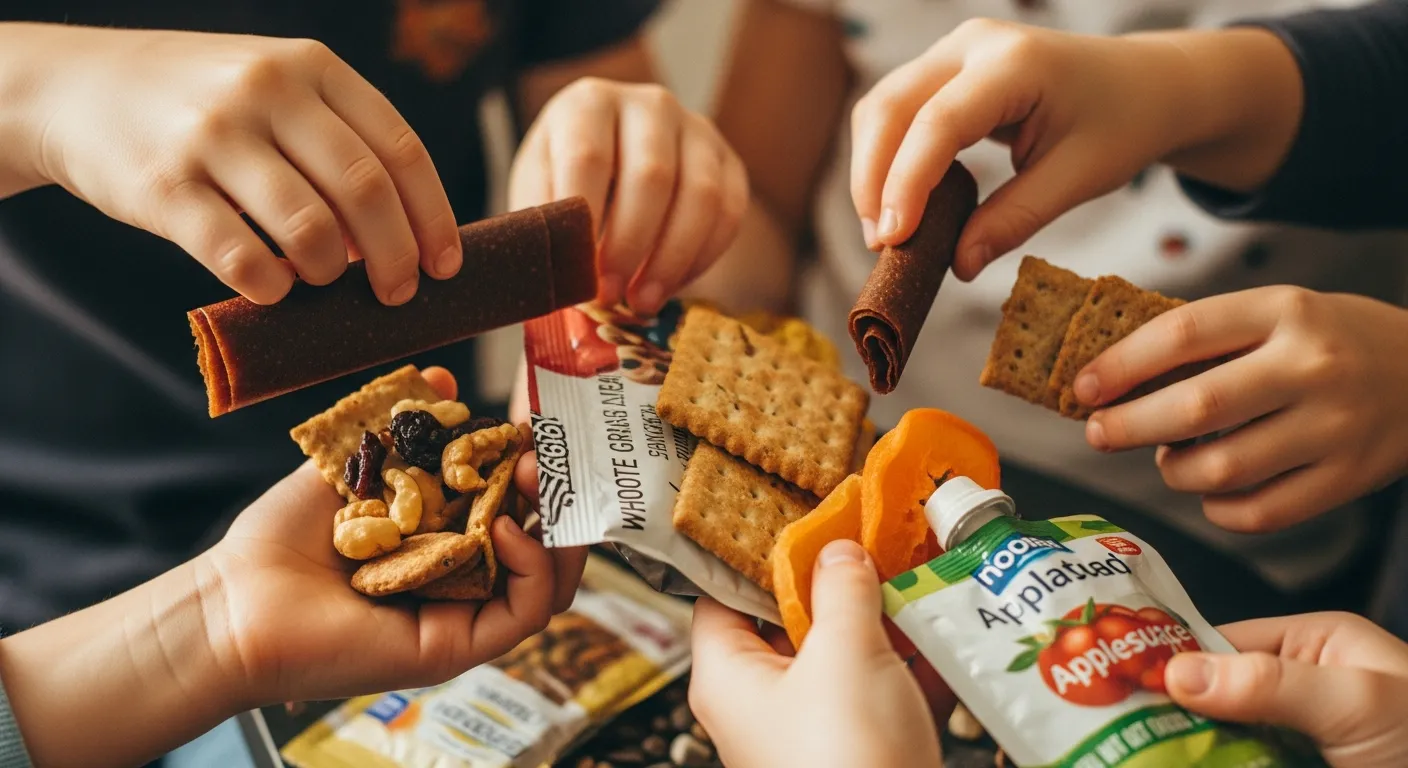
Small snack portions often shape how hunger is handled across active daily routines. Level sizing helps control energy drops while avoiding excessive intake patterns. Thoughtful snack planning supports need signals rather than overriding them. Predictable portions allow bodies to identify fullness signals naturally. The focus behind portion sized snack ideas, helping manage hunger without overfeeding problems, centers on moderation instead of restriction. Many caregivers count on toddler snacks arranged in suitable amounts to maintain steady nourishment throughout busy schedules.
Balanced Portions Supporting Natural Appetite
Portion awareness helps align snacks with true hunger levels. Smaller servings reduce pressure to finish excessive amounts. Balanced portions support satisfaction without discomfort. This approach strengthens appetite regulation gradually.
Simple Portion Planning for Daily Snacks
Portion planning simplifies decision-making during hectic days. Clear limits support consistency without stress.
- Metric portions help toddlers identify hunger fullness signals clearly
- Smaller servings reduce the risk of overeating between meals
- Predictable amounts support steady energy levels
- Portion control encourages mindful eating habits early
- Balanced servings prevent snack dependency patterns
- Consistent sizing builds routine trust around food
- Thoughtful portions support digestion comfort
- Simple measures reduce caregiver uncertainty
Hunger Cues Respond Better to Portions
Appropriate portions allow hunger cues to guide eating. Oversized snacks usually hide fullness awareness. Smaller amounts encourage pause and assessment. This supports healthier self-regulation.
How Do Portion Sizes Prevent Overfeeding Issues?
Part size affects how the body processes hunger signals. Smaller servings allow time for fullness recognition.
Large portions can override natural lines, causing unnecessary intake. Gradual portions support better appetite awareness. Over time, children learn to stop eating when satisfied. This habit reduces dependence on external control and supports long-term balance.
Supporting Energy Without Excess Intake
Portioned snacks provide fuel without overwhelming digestion. Balanced servings support movement and focus. Energy remains stable across active periods. Excess intake becomes less likely.
Building Consistency Through Routine Portions
Routine portions create predictability during snack times. Familiar sizing builds trust. Many households use toddler snacks measured consistently. Routine supports calm eating behaviour.
Comparing Portion Impact Clearly
Understanding portion impact helps refine snack choices. Proper sizing shows better results than unlimited access. Comparison guides planning.
| Portion Approach | Hunger Management | Eating Behavior |
| Measured portions | Balanced appetite | Calm response |
| Large servings | Masked fullness | Overeating risk |
| Small frequent | Steady energy | Better regulation |
| Irregular sizes | Confusion | Unpredictable intake |
| Routine portions | Stable habits | Improved awareness |
The table highlights how portion strategy affects eating patterns. Structured planning supports healthier outcomes.
Snack Timing and Portion Alignment
Timing works with portion size to manage hunger. Well-spaced snacks reduce urgency. Balanced timing supports better control. Alignment prevents constant grazing.
Portion Tools for Everyday Use
Simple tools help maintain portion awareness. Visual cues guide serving size. Familiar containers support consistency. Tools simplify routine execution.
Do Small Portions Reduce Hunger Complaints?
Small portions help manage hunger without excess. Proper spacing supports satisfaction.
- Smaller servings allow hunger signals to adjust naturally
- Gradual intake reduces sudden hunger rebound
- Balanced portions support emotional calm during eating
- Predictable sizing prevents constant snacking demands
- Measured amounts improve appetite trust
Can Portion Habits Support Long-Term Balance?
Early portion habits influence future eating behaviour. Repetition builds awareness.
- Consistent portions teach self-regulation gradually
- Early habits shape mindful eating patterns
- Balanced servings reduce overeating tendencies
- Portion awareness improves food relationship
- Routine sizing supports lifelong balance
Practical Portion Balance
Healthy hunger management grows from mindful portion choices rather than restriction. Balanced servings support appetite awareness. Routine planning reduces stress. Predictable portions encourage calm eating behavior. Over time, steady use of toddler snacks in measured amounts supports sustainable nourishment without overfeeding concerns.